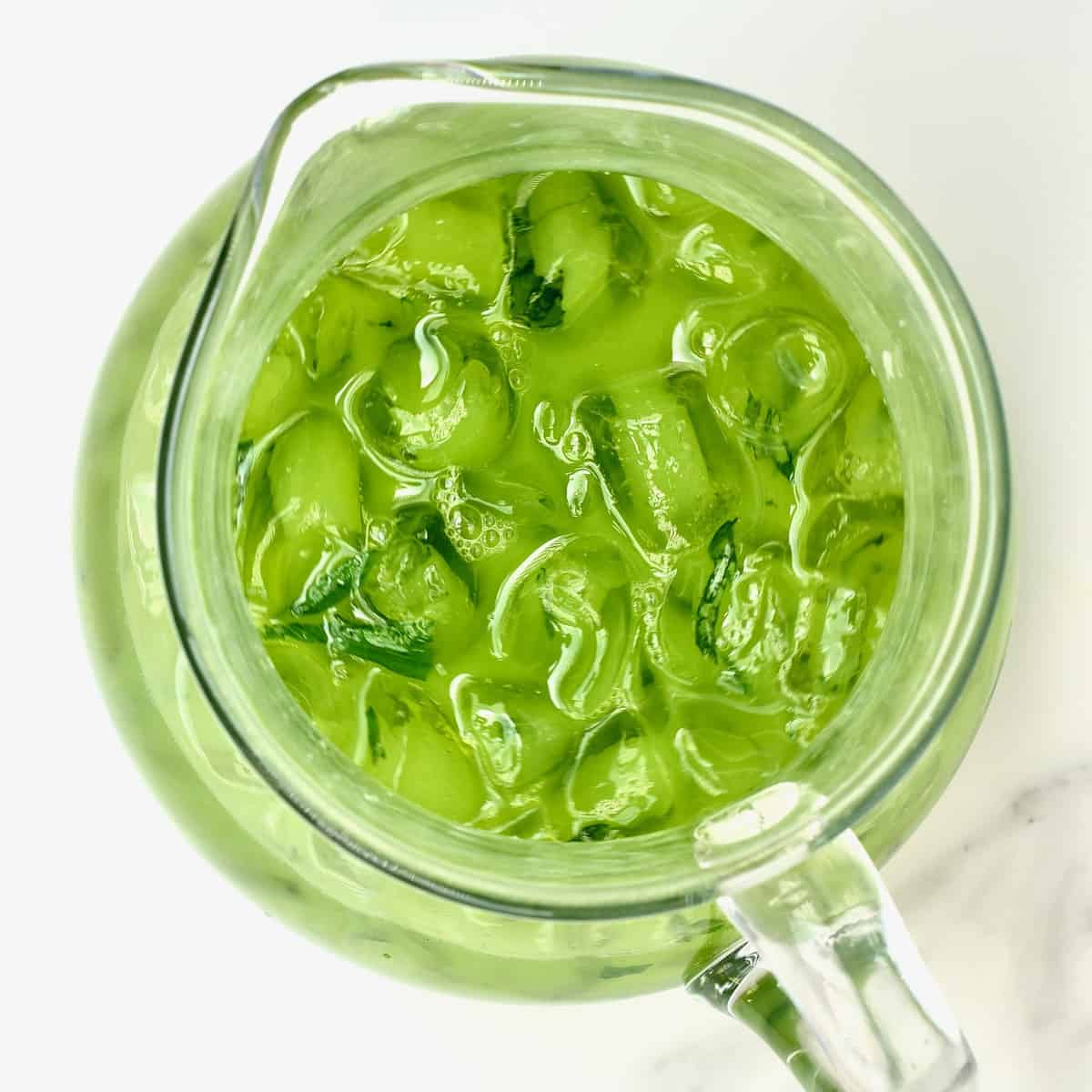
Unlock Refreshing Hydration: Making Cucumber Juice 3 Ways
There’s nothing quite as refreshing as the crisp, cool taste of cucumber. Unsurprisingly, given that it’s over 95% water, cucumbers are a powerhouse of hydration, making them a perfect base for a revitalizing drink. From enhancing fresh summer salads to infusing water and creating spa-like facial treatments, the versatility of cucumber is endless. But have you ever considered harnessing its full hydrating potential by making fresh cucumber juice?
Whether you're a seasoned juicing enthusiast or new to the world of homemade beverages, creating your own cucumber juice is surprisingly simple. The best part? You don't need a fancy juicer to enjoy this green goodness. We'll explore exactly how to make cucumber juice 3 methods – using a dedicated juicer, a common blender, or even with no machine at all!
Before diving into any method, a universal first step applies: always wash your cucumber thoroughly under running water. This removes any dirt or residues, ensuring your juice is as clean and pure as possible.
The Undeniable Benefits of Fresh Cucumber Juice
Beyond its wonderfully refreshing taste, fresh cucumber juice is packed with goodness that supports overall well-being. Here's why you should consider making it a regular part of your routine:
- Superior Hydration: With its extremely high water content, cucumber juice is an excellent way to replenish fluids and support bodily functions, especially during hot weather or after physical activity.
- Nutrient Rich: Cucumbers are a good source of vitamins K and C, as well as essential minerals like potassium and magnesium. These nutrients contribute to bone health, immune function, and electrolyte balance.
- Antioxidant Power: They contain beneficial antioxidants, including flavonoids and tannins, which help combat oxidative stress and protect cells from damage.
- Aids Digestion: The water and fiber (especially if you consume it unstrained) in cucumbers can promote healthy digestion and regular bowel movements.
- Skin Health: Hydration is key for healthy, glowing skin, and the vitamins in cucumber juice can contribute to a clearer complexion. Many even use topical cucumber for its soothing properties.
- Low in Calories: Cucumber juice is a very low-calorie beverage, making it a guilt-free choice for anyone watching their caloric intake.
Incorporating this simple drink into your diet is a delicious way to boost your health from the inside out.
Method 1: The Efficiency of a Dedicated Juicer
If you own a juicer, this is arguably the fastest and most hands-off way to extract pure cucumber juice. Juicers are designed specifically for this task, separating the liquid from the pulp with minimal effort.
- Prepare the Cucumber: After washing, simply cut the cucumber into pieces small enough to fit comfortably down the juicer's feed chute. There's no need to peel it unless you prefer to, as cucumber skin contains valuable nutrients.
- Juice Away: Turn on your juicer and feed the cucumber pieces into the chute. The machine will do all the work, separating the juice into one container and the pulp into another.
Tips for Juicer Users:
- Speed and Yield: Juicers, especially centrifugal models, are incredibly fast and efficient at extracting a high volume of juice. Masticating (slow) juicers might take a bit longer but are often praised for preserving more nutrients due to less heat generation.
- No Straining Needed: The beauty of a juicer is that it produces a smooth, pulp-free juice directly, eliminating the need for any additional straining steps.
- Flavor Combinations: Feel free to add other ingredients like a slice of lemon, a sprig of mint, or a knob of ginger into the juicer along with your cucumber for an extra flavor boost.
- Cleanup: While efficient, juicers do require immediate cleaning to prevent pulp from drying and sticking, making the process much easier.
Method 2: Blending for Versatility (and Straining for Pure Juice)
Don't have a juicer? No problem! A blender, especially a high-powered one, can easily transform cucumbers into a liquid form. This method offers flexibility – you can enjoy a thicker, fiber-rich "juice" or strain it for a smoother, clearer beverage.
- Chop the Cucumber: Wash your cucumber well, then roughly chop it into smaller pieces. This makes it easier for your blender to process and achieve a smoother consistency.
- Blend with Water: Transfer the chopped cucumber to your blender. If you have a high-powered blender, you might not need much water. However, for most blenders, adding a little liquid will help create a smoother pulp and prevent the blades from getting bogged down. Start with about ½ cup of water for a medium-sized cucumber, and add more if needed, a tablespoon at a time, until it blends smoothly. Be mindful not to add too much water, as this can dilute the fresh cucumber flavor.
- Process Until Smooth: Blend for up to 2 minutes, or until you achieve a smooth, uniform pulp. The exact time will depend on your blender's strength and how fine you want the pulp.
- Strain for Pure Juice (Optional): If you prefer a pulp-free juice, transfer the blended mixture to a fine-mesh sieve, a few layers of cheesecloth, or a nut milk bag. Place it over a bowl and gently press or squeeze out as much liquid as possible. A nut milk bag is particularly effective for this step.
Tips for Blender Users:
- High-Powered Advantage: High-speed blenders will yield the smoothest pulp with minimal water. If using a less powerful blender, ensure your cucumber pieces are quite small and don't hesitate to add a little extra water to assist blending.
- Fiber vs. Clear Juice: Deciding whether to strain is a personal preference. Unstrained juice retains more fiber, which can be beneficial for digestion. Strained juice offers that classic, clean mouthfeel.
- Straining Alternatives: Beyond cheesecloth and nut milk bags, a clean kitchen towel can also work in a pinch for straining, just ensure it has a tight weave. For more detailed methods on extracting the purest juice, check out our guide on How to Make Cucumber Juice: 3 Simple Methods for Hydration.
Method 3: No Machine? No Problem! (Manual Grating or Chopping)
This method proves that you truly don't need any special equipment to enjoy fresh cucumber juice. With just a grater and some elbow grease, you can create a delicious, hydrating drink.
- Grate or Finely Chop: After washing the cucumber, the best approach for this method is to grate it using a standard box grater. Grating creates small, uniform pieces that release their liquid more easily. While you could try chopping it very finely, grating yields superior results and is faster.
- Squeeze for Juice: Transfer all the grated cucumber into a piece of cheesecloth or a nut milk bag. Gather the edges, twist the top firmly, and squeeze out as much liquid as possible into a bowl. Keep twisting and squeezing until the cucumber feels quite dry.
Tips for Manual Juicing:
- Grating is Key: Don't underestimate the power of a simple grater. Its efficiency in breaking down the cucumber's cell walls is what makes this method viable.
- Avoid Salting: While salting cucumbers is a common technique to draw out moisture for dishes like tzatziki, we strongly advise against it for juice you intend to drink. It will result in an unpleasantly salty beverage, defeating the purpose of a refreshing drink.
- Strong Hands: This method requires a bit of manual strength, so be prepared to squeeze firmly to maximize your juice yield.
Maximizing Your Cucumber Juice Experience: Pulp & Storage Tips
Making fresh juice often leaves you with leftover pulp, and storing your liquid gold properly is essential for enjoying its freshness and nutrients.
Utilizing Leftover Cucumber Pulp:
Don't let that nutritious pulp go to waste! It's a treasure trove of fiber and flavor. Here are some ideas:
- Tzatziki or Dips: The most classic use! Combine with Greek yogurt, garlic, and dill for a refreshing dip or sauce.
- Smoothie Booster: Add a spoonful or two of pulp to your next fruit or vegetable smoothie for an extra fiber kick.
- Soups and Sauces: Stir it into vegetable broths, gazpacho, or even a green sauce for added texture and nutrients.
- Frozen for Later: For long-term storage, divide the pulp into ice cube trays and freeze. Once solid, transfer the cubes to a freezer-safe bag. These frozen cubes are perfect for adding to smoothies later.
Storing Your Fresh Cucumber Juice:
Freshly made juice is always best consumed immediately to reap the maximum nutritional benefits and enjoy the purest flavor. However, if you have leftovers:
- Refrigeration: Store any remaining cucumber juice in an airtight container in the refrigerator for up to 24 hours. The sooner you drink it, the better.
- Freezing for Longer: While freezing can slightly affect some heat-sensitive nutrients and the texture upon thawing, it's a great option for longer storage. Pour the juice into silicone ice cube trays for convenient portioning. Once frozen solid, transfer the juice cubes to a freezer-safe bag or container. It can be stored for up to a month, allowing you to defrost just the amount you need for a quick refresh.
Once you've mastered these methods, you might wonder about the leftover pulp and how to store your fresh juice effectively. For comprehensive tips on pulp utilization and juice storage, dive into our article: Make Cucumber Juice: 3 Methods, Pulp Tips & Storage Guide.
Conclusion
Making fresh cucumber juice is an incredibly rewarding experience that offers a burst of hydration and a dose of natural goodness. As we've seen, whether you own a state-of-the-art juicer, a trusty blender, or simply have a grater and some determination, you have effective methods at your disposal. Experiment with these three techniques to discover your preferred way to enjoy this simple, healthy, and wonderfully refreshing beverage. So go ahead, grab a cucumber, and start juicing – your body will thank you!
