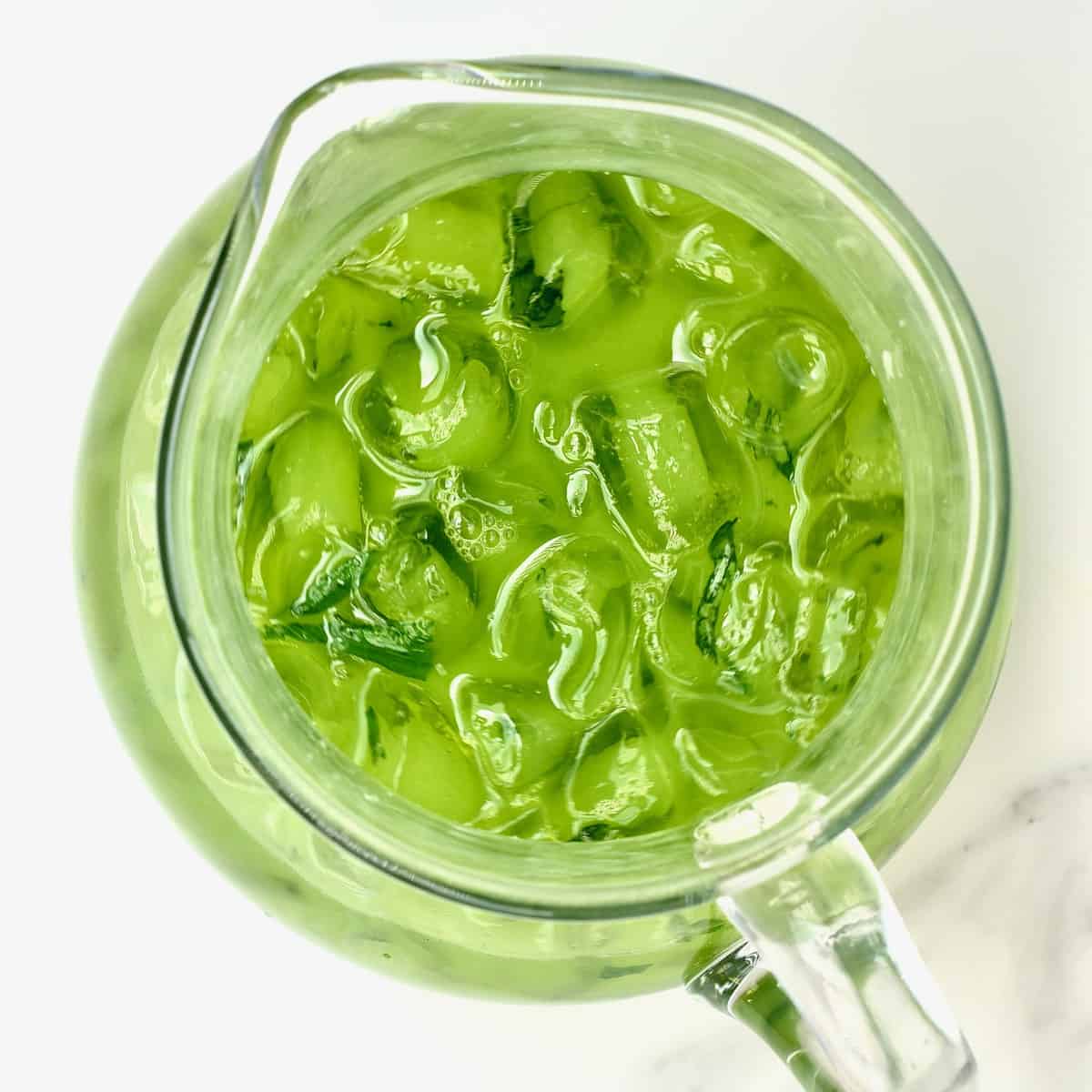
Cucumber juice is a vibrant, incredibly refreshing beverage renowned for its hydrating properties and mild, crisp flavor. Often hailed as nature's sports drink, it's packed with electrolytes and essential nutrients, making it an excellent choice for revitalizing your body. Whether you're seeking a natural detox, a cooling summer drink, or simply a way to boost your daily water intake, learning how to make cucumber juice 3 methods makes this healthy habit easily achievable for anyone, regardless of their kitchen gadgets.
The beauty of cucumber juice lies not just in its health benefits, but also in its simplicity. With cucumbers readily available year-round, you can whip up a batch of this green goodness whenever the craving strikes. And the best part? You don't necessarily need a fancy juicer to enjoy fresh cucumber juice. We'll explore three straightforward methods – using a juicer, a blender, or even just a grater – ensuring everyone can tap into this hydration powerhouse.
Why Cucumber Juice? The Hydration Powerhouse
Cucumbers are approximately 96% water, making their juice an unparalleled source of hydration. But it's not just about water; this humble vegetable also delivers a surprising array of vitamins, minerals, and antioxidants. These include Vitamin K, Vitamin C, potassium, magnesium, and manganese, all contributing to overall well-being. Regular consumption of cucumber juice can support:
- Optimal Hydration: Essential for nearly every bodily function, from regulating body temperature to maintaining joint lubrication.
- Skin Health: The high water content, along with vitamins, can contribute to a glowing complexion and help soothe irritated skin from within. Many even use cucumbers topically for their cooling and anti-inflammatory effects.
- Detoxification: Its diuretic properties can help flush out toxins from the body, promoting kidney health.
- Digestive Health: The water and fiber (if you consume some pulp) content can aid in healthy digestion and prevent constipation.
- Weight Management: Low in calories and satisfyingly filling, it can be a great addition to a weight-conscious diet.
Beyond these internal benefits, the sheer refreshing quality of cucumber juice makes it a perfect pick-me-up on a hot day or a delightful alternative to sugary drinks.
Essential Prep Before You Begin
Before diving into any of the how to make cucumber juice 3 methods, a few preparatory steps are universal and crucial for the best results:
- Wash Thoroughly: Always start by washing your cucumbers meticulously under cold running water. Even if you plan to peel them, this step removes any dirt, pesticides, or wax from the skin.
- Choose Your Cucumber: Opt for firm, fresh cucumbers without soft spots or blemishes. Any variety will work, though English or Persian cucumbers tend to have fewer seeds and thinner skins.
- To Peel or Not to Peel: This is a matter of preference. Cucumber skin contains some nutrients and fiber, and leaving it on can give your juice a slightly richer green color and more robust flavor. However, if you're concerned about pesticides (even after washing) or prefer a milder taste and smoother texture, peeling is an option. If you do leave the peel on, ensure your cucumbers are organic.
How to Make Cucumber Juice: 3 Simple Methods
Now, let's explore the three distinct ways to extract that pure, refreshing cucumber goodness. Each method offers its own advantages, catering to different kitchen setups and preferences.
Method 1: The Juicer — Effortless Extraction
If you own a juicer, this is arguably the quickest and most efficient way to get pure cucumber juice with minimal effort. A good quality juicer separates the pulp from the liquid almost instantly, giving you a smooth, vibrant drink.
- Prepare the Cucumber: After washing, cut your cucumber into pieces small enough to fit comfortably down the juicer chute. For larger cucumbers, this might mean quartering them lengthwise or cutting them into shorter segments.
- Juice: Feed the cucumber pieces into the juicer chute. The machine will extract the juice into one container and expel the dry pulp into another.
- Serve Immediately: Pour your fresh cucumber juice into a glass, perhaps over ice, and enjoy!
Advantages: Speed, high juice yield, no need for straining, and very little hands-on time. You can also easily combine cucumbers with other ingredients like celery, ginger, or green apple for added flavor and nutrients.
Tips: For the freshest taste, choose firm, ripe cucumbers. If your juicer is a slow masticating type, you might find the juice yield even higher and the nutrient retention slightly better due to less heat exposure during processing.
Method 2: The Blender — Versatility in a Pitcher
Don't have a juicer? No problem! Your blender is a fantastic alternative for making cucumber juice, especially if you have a high-powered model. This method requires an extra step of straining, but it's incredibly effective.
- Chop the Cucumber: Wash and roughly chop your cucumber into small, manageable pieces. Smaller pieces will blend more easily and create a smoother pulp.
- Blend with Water: Transfer the chopped cucumber to your blender. To help the blending process, especially if you don't have a powerful blender or are using a large quantity of cucumber, add a small amount of water. Start with about ½ cup of water for 2-3 cucumbers, and only add more if necessary to get the blades moving smoothly. The goal is to avoid diluting the fresh cucumber flavor too much.
- Blend Until Smooth: Blend on high speed for 1-2 minutes, or until the cucumber breaks down into a smooth, watery pulp. The time will vary based on your blender's power and your desired consistency.
- Strain the Juice: Place a fine-mesh sieve, several layers of cheesecloth, or a nut milk bag over a large bowl or pitcher. Pour the blended cucumber pulp into the strainer.
- Extract the Juice: If using a sieve, press down on the pulp with a spoon or spatula to extract as much liquid as possible. If using cheesecloth or a nut milk bag, gather the edges and twist, squeezing firmly to release all the juice.
Advantages: Accessible to most kitchens, great for incorporating other softer ingredients, and produces a slightly thicker juice if not strained completely.
Tips: Avoid over-watering to maintain the intense cucumber flavor. You can re-blend the pulp with a tiny bit more water if you feel you haven't extracted enough, but be mindful of dilution. For a deeper dive into making cucumber juice with various tools, check out our guide on Juicer, Blender, or No Machine: Make Cucumber Juice 3 Ways.
Method 3: The Grater — No Machine, No Problem
This method is perfect for those who don't have a juicer or a powerful blender, or simply prefer a hands-on approach. Using a simple grater, you can still yield a surprising amount of fresh cucumber juice.
- Grate the Cucumber: After washing, use a box grater (the side with medium to large holes works best) to grate your cucumber into a bowl. Grating is far more effective than finely chopping, as it breaks down the cell walls more thoroughly, releasing more liquid.
- Prepare for Squeezing: Transfer the grated cucumber to a piece of cheesecloth or a nut milk bag.
- Squeeze the Juice: Gather the edges of the cheesecloth or bag, twist it closed, and firmly squeeze out as much liquid as possible directly into a glass or bowl. You'll be surprised by how much juice you can extract with a bit of elbow grease!
Advantages: Requires minimal equipment, very little cleanup for the main tool (grater), and ensures you can make fresh juice anytime, anywhere.
Tips: While some suggest salting the grated cucumber to draw out more liquid, this will result in salty juice, which is generally undesirable for a refreshing drink. It's best to skip this step for pure juice. A good quality grater makes this process much easier and more efficient.
Beyond the Juice: Tips for Pulp, Storage, and Enjoyment
Now that you know how to make cucumber juice 3 methods, let's maximize your efforts and ensure you get the most out of your freshly made elixir.
Creative Uses for Leftover Pulp
Don't discard that cucumber pulp! It's still full of fiber and nutrients and can be repurposed in various ways:
- Tzatziki or Dips: The most classic use! Combine with Greek yogurt, garlic, and dill for a delicious dip.
- Smoothies: Add a spoonful or two of pulp to your morning smoothie for extra fiber and a subtle cucumber flavor.
- Add to Dishes: Mix into salads, stir-fries, or even soups for a nutritious boost.
- Face Masks: Its cooling and soothing properties make it a great natural addition to homemade facial masks.
- Freeze It: Divide the pulp into ice cube trays and freeze. Once solid, transfer to a freezer-safe bag for longer storage (up to a month). Pop a cube into your blender for future smoothies.
Storing Your Fresh Cucumber Juice
Fresh juice is always best consumed immediately to reap the maximum nutritional benefits. However, if you have leftovers:
- Refrigeration: Store any leftover cucumber juice in an airtight container in the refrigerator for up to 24 hours. The flavor and nutrient content will start to diminish after this period.
- Freezing: For longer storage, you can freeze cucumber juice. Pour it into silicone ice cube trays for convenient, pre-portioned servings. Once frozen, transfer the cubes to a freezer-safe bag or container. Frozen juice can last up to a month, though some nutrients may be lost in the freezing and thawing process. Thaw in the refrigerator or add directly to smoothies.
Enhancing Your Cucumber Juice Experience
While plain cucumber juice is wonderfully refreshing, you can elevate its flavor profile with a few simple additions:
- Citrus Boost: A squeeze of fresh lemon or lime juice adds a bright, tangy kick.
- Herbal Infusion: Muddle a few sprigs of fresh mint, basil, or cilantro into your juice for an aromatic twist.
- Spicy Kick: A small piece of fresh ginger, juiced or blended in, can add a invigorating warmth.
- Sweeten Naturally: A touch of raw honey, maple syrup, or a few berries can balance the flavor, though often not needed.
- Other Veggies/Fruits: Combine with green apple, celery, spinach, or kale for a more nutrient-dense green juice blend.
Serve your cucumber juice over ice, as a base for mocktails (think cucumber-mint spritzer), or even in creative cocktails. For more detailed advice on pulp uses and juice preservation, explore our Make Cucumber Juice: 3 Methods, Pulp Tips & Storage Guide.
Conclusion
Making fresh cucumber juice at home is a simple, rewarding endeavor that promises a refreshing and healthy boost to your daily routine. Whether you opt for the efficiency of a juicer, the versatility of a blender, or the accessibility of a grater, how to make cucumber juice 3 methods ensures there's a perfect way for everyone to enjoy this hydrating beverage. Embrace the crisp taste and numerous health benefits of homemade cucumber juice – your body will thank you for this delicious and natural path to better hydration and wellness.
